
Calgary & surrounding areas
Boxelder Beetle Treatment
Every fall the same call comes in from the same kind of house: hundreds of black-and-orange insects massed on the sunniest wall, and a homeowner wanting to know what they are eating. Boxelder bugs — most people call them boxelder beetles — are not eating anything in your house. They are looking for somewhere warm to overwinter, which makes this a job about timing and the exterior rather than anything sprayed in your living room.
Same-day service · Guaranteed results
How we handle it
- 01
Site assessment
We work out which walls they are using and why — sun exposure, host trees nearby, and the specific gaps they are getting in through. Siding laps, window and door frames, soffit joints, weep holes and unscreened vents are the usual routes.
- 02
Timed exterior treatment
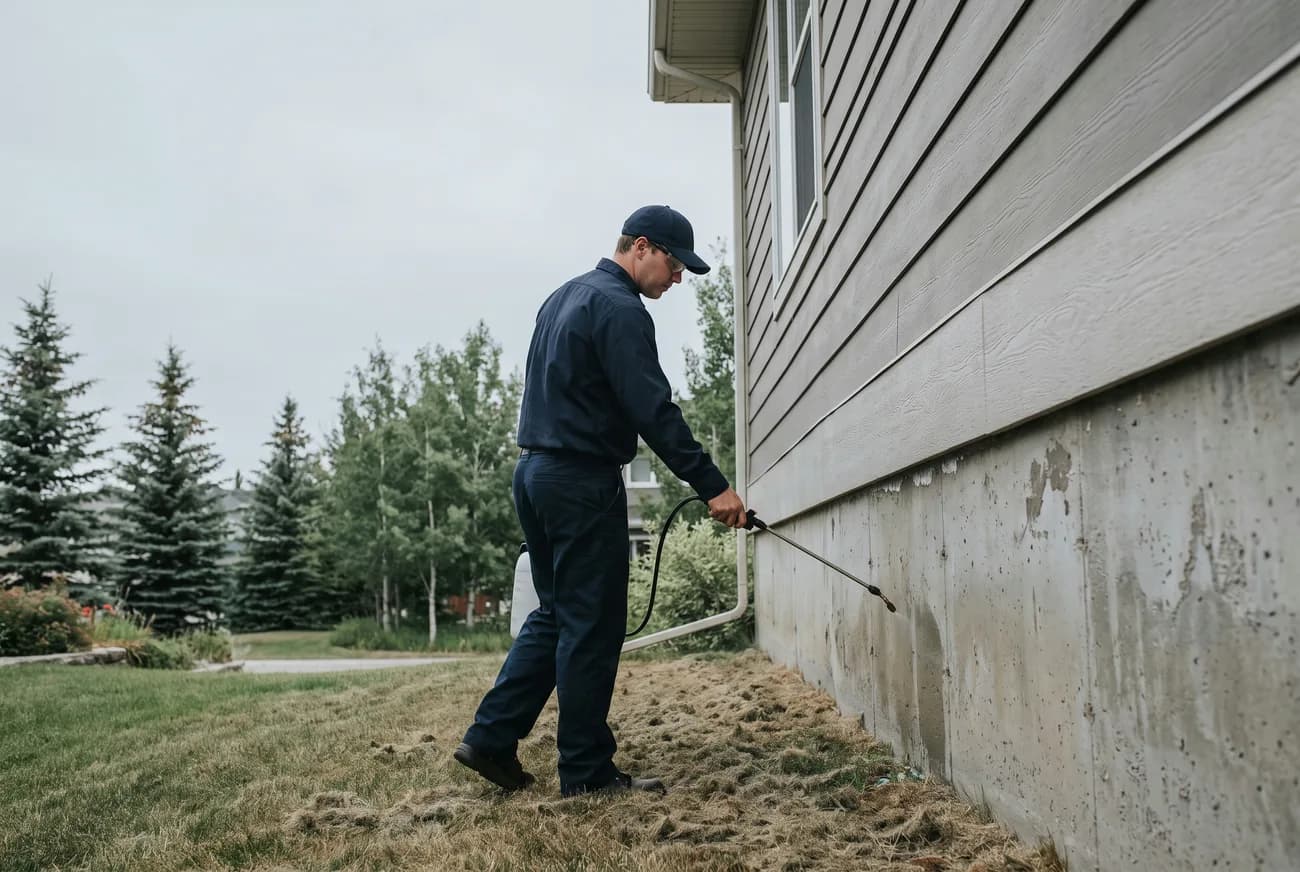
A licensed exterior application to the sun-facing walls and entry points, applied while they are still congregating outside rather than after they have moved into the wall voids. With this insect the timing of the visit does more work than the choice of product.
- 03
Entry point sealing
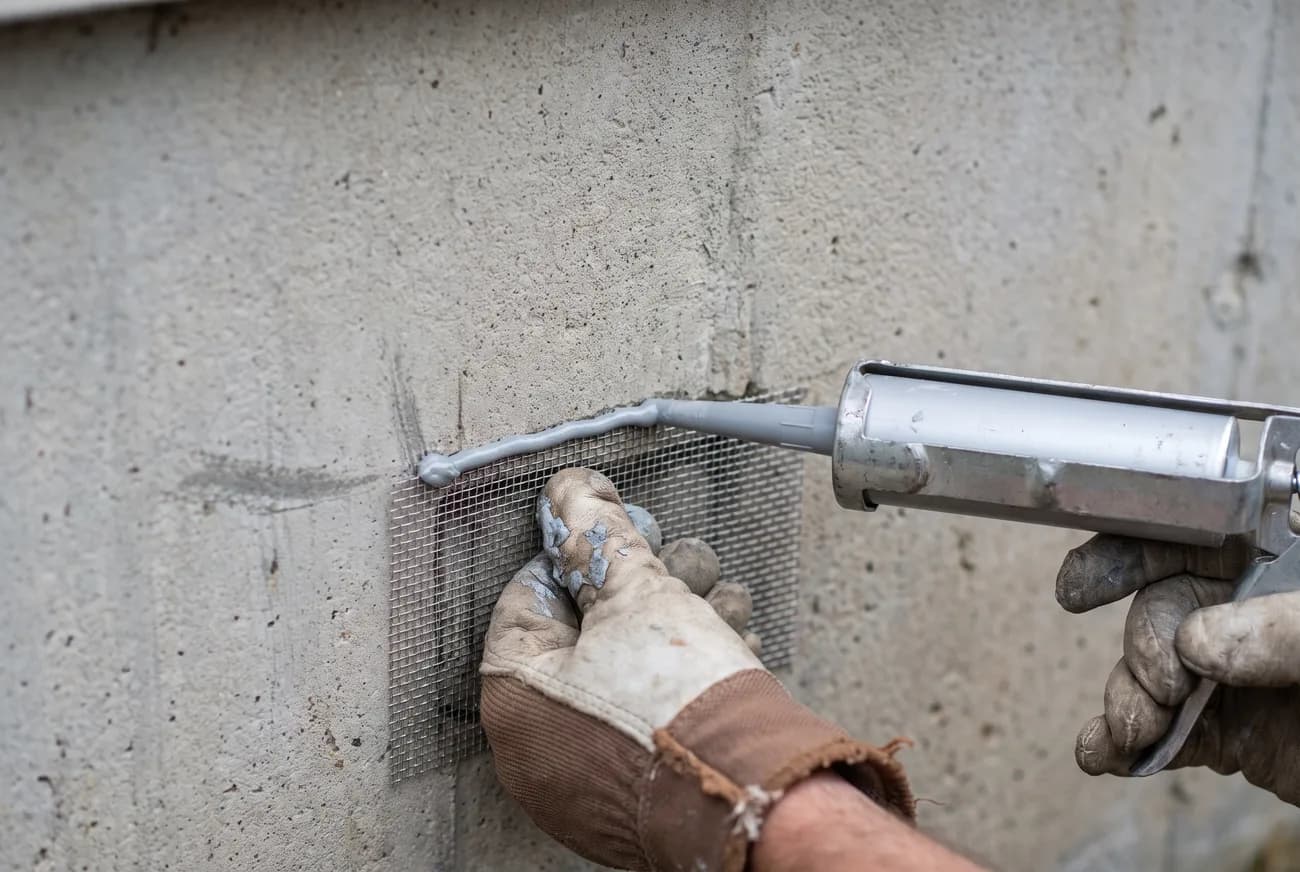
The gaps get closed — trim and frame joints, utility penetrations, vent screening, damaged weatherstripping. This is what turns a fall treatment into something that holds through the following season instead of a yearly ritual.
- 04
Interior removal & follow-up
Indoors we recommend vacuuming rather than spraying baseboards, because the insects emerging on a warm January day are coming out of wall voids no interior spray reaches. We check back the following season to confirm the exterior work is holding. And our results are guaranteed.
What you might notice
- 01Black-and-orange insects massing on a south or west-facing wall
- 02Clusters on warm siding, stucco and window frames in early fall
- 03Insects appearing indoors on mild winter days and again in spring
- 04Heaviest activity near Manitoba maple, box elder or ash trees
- 05Small dark stains on siding, curtains and light-coloured surfaces
Every job includes
- An Alberta-licensed technician, not a subcontractor
- A written record of what was found and what was applied
- Same-day service whenever the schedule allows
- Guaranteed results: if they come back, so do we
Same-day service when the schedule allows. Book now and it’s handled.
Where we work
Boxelder Beetle Treatment across Calgary
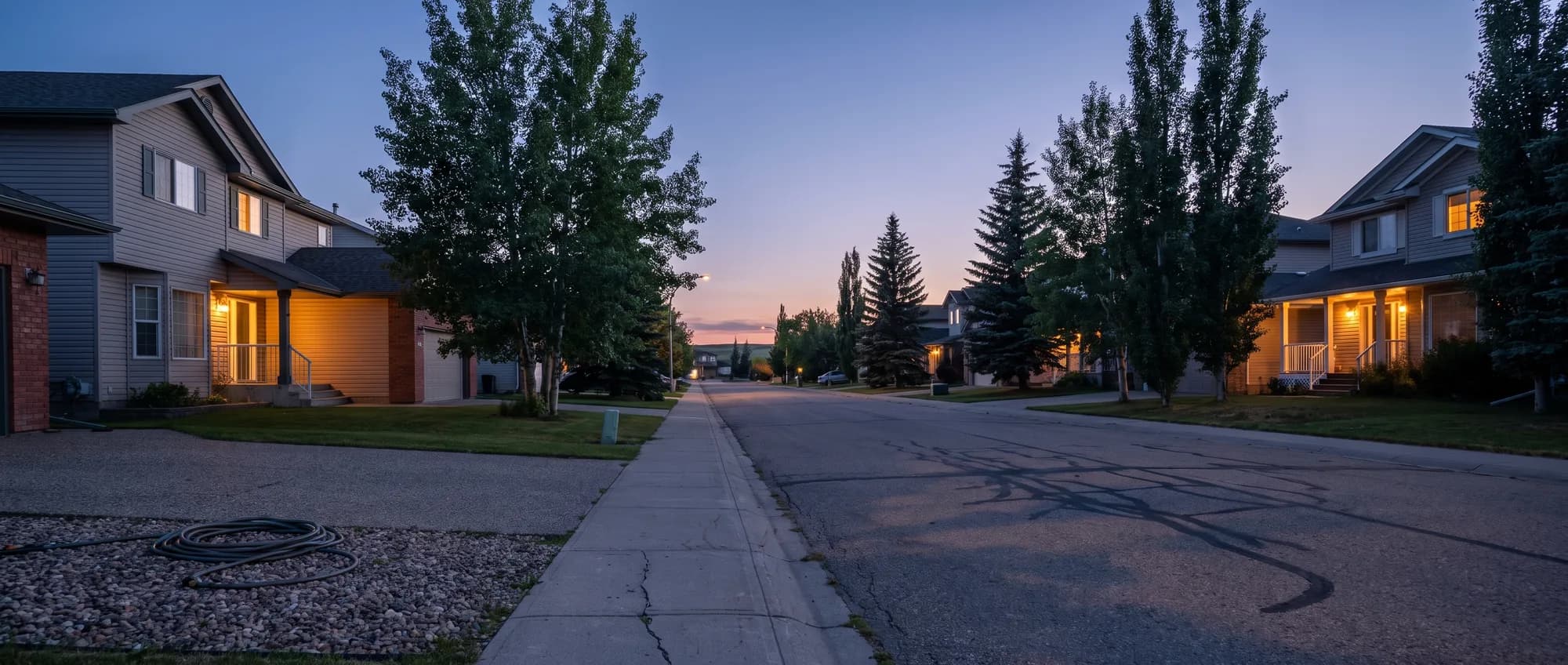
Boxelder bugs are a fixture of Calgary falls, particularly in the established neighbourhoods where mature Manitoba maples line the streets and sun-facing walls hold heat well into the evening. We treat homes, condos and commercial buildings across the city and out into Airdrie, Chestermere, Cochrane, Okotoks and Strathmore.
- Calgary
- Airdrie
- Chestermere
- Cochrane
- Okotoks
- Strathmore
Common questions
Boxelder Beetle Treatment — straight answers
Are they dangerous? Are they damaging the house?
No on both counts, and we would rather tell you that than sell you a scare. Boxelder bugs do not bite or sting people, they do not breed indoors, they do not damage the structure, and they do not feed on food or fabric. What they do is show up in overwhelming numbers and leave dark stains on light surfaces, which is reason enough for most people to want them gone.
Why is my house covered in them and my neighbour’s is not?
Two things usually explain it: a big sun-facing wall that holds heat into the evening, and a host tree within easy range. Manitoba maple is planted all over older Calgary neighbourhoods and is exactly what this insect feeds on. A warm stucco or dark-clad south wall a short flight from one of those trees is the ideal gathering spot.
Should I have the tree taken down?
Usually not. They travel comfortably from trees well beyond your own yard, so removing one mature tree often changes less than people hope and costs a great deal more than the exterior work. If a tree is being removed for other reasons that is a fair bonus, but we would not recommend it as a pest control decision on its own.
When is the right time to treat?
Late summer into early fall, while they are still gathering on the outside of the building. Once they have worked their way into wall voids and attic spaces for the winter there is no treatment that reaches them properly, and the honest answer becomes managing the strays indoors through winter and doing the exterior work properly the following fall.
Related services
Contact
One call, and it’s handled.
Same-day service · Guaranteed results