
Calgary & surrounding areas
Vole Control
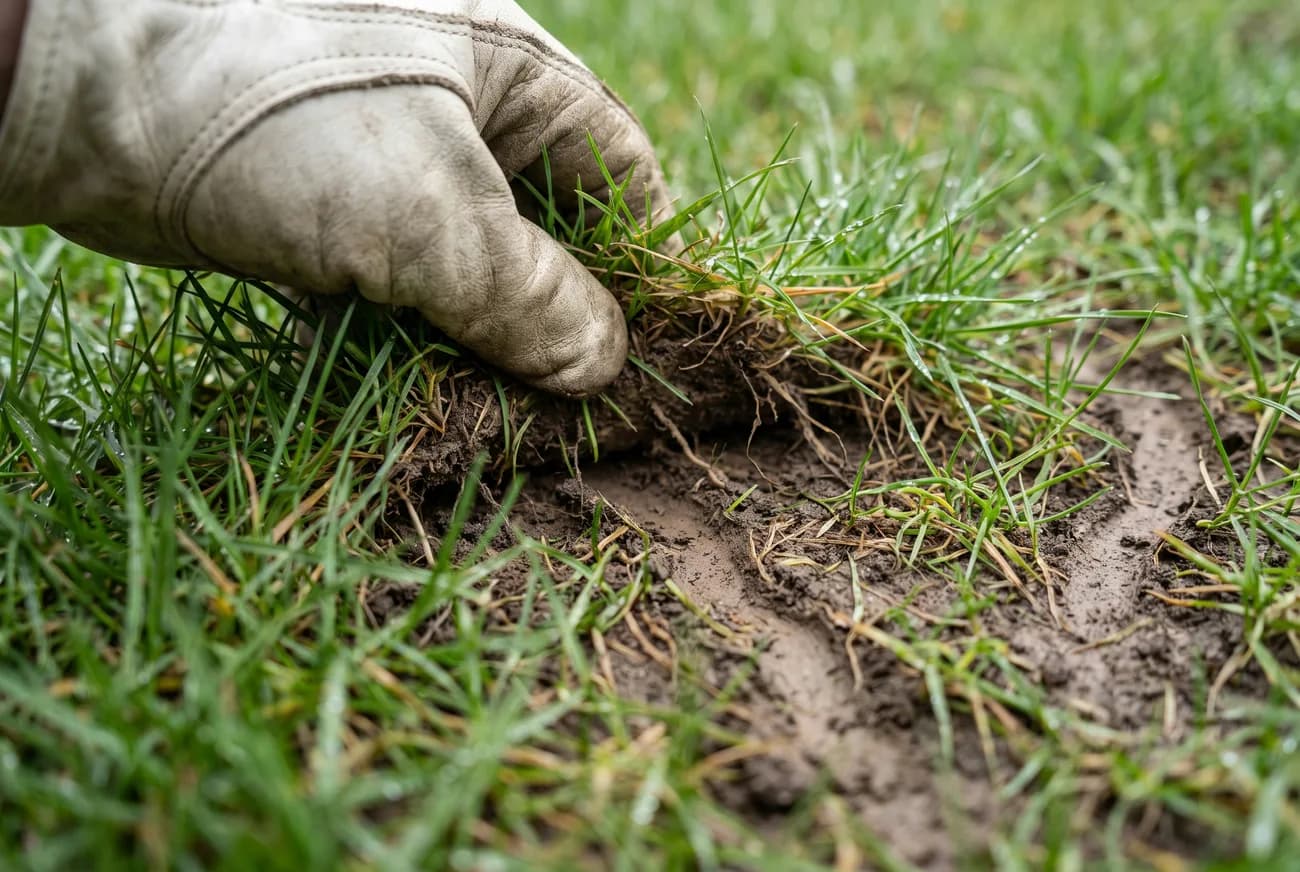
Voles are a yard problem, not a house problem — and most people find out they had them the week the snow goes. Under a winter snowpack voles keep feeding and tunnelling at ground level, so a whole season of damage appears at once in spring: winding brown runways across the lawn and chewed bark around the base of shrubs. We work the runways and the perimeter rather than blanket-treating a lawn, because vole activity follows cover.
Same-day service · Guaranteed results
How we handle it
- 01
Property walk-through
We map the active runways and burrow openings and confirm the species — voles, mice and ground squirrels all get called the same things and all need a different response. We also note the cover that is keeping them there: long grass at the fence line, deep mulch piled against stems, dense junipers, wood stacks.
- 02
Runway and burrow treatment
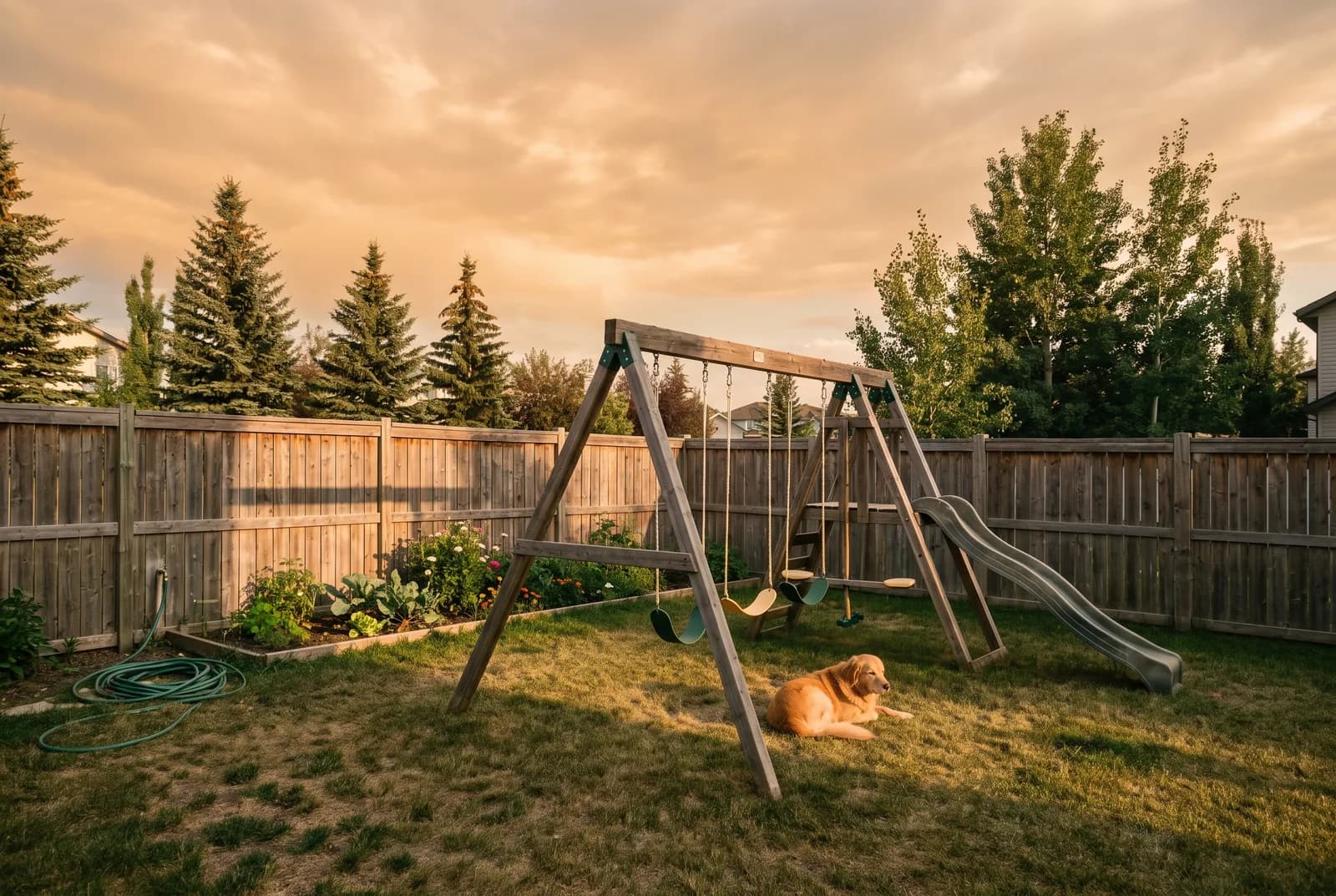
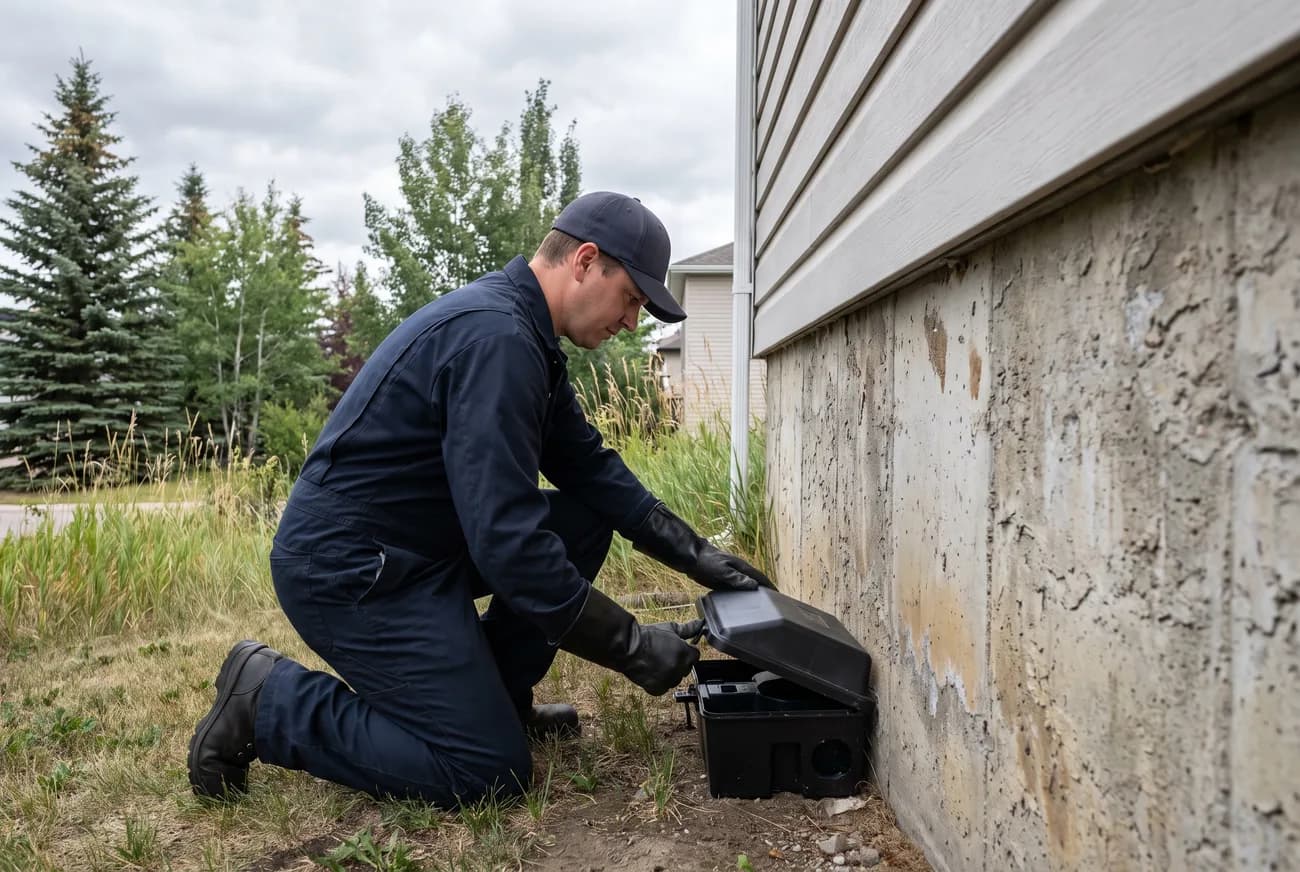
Targeted placement into the active runways and burrow openings, using products registered with Health Canada and applied by an Alberta-licensed technician. Where pets or children have access to the yard we use tamper-resistant stations and show you where each one sits.
- 03
Perimeter and harbourage work
We treat and tidy the pressure points around the foundation, fence line and bed edges — the routes voles use to work their way in toward the house. Reducing cover is unglamorous and it does more for next spring than anything else on this list.
- 04
Return visit
Runways tell you plainly whether the work held: fresh clipped grass and reopened holes mean activity, and old runways go grey and dry. We come back to read them rather than assume. And our results are guaranteed.
What you might notice
- 01Winding surface runways of flattened brown grass after snowmelt
- 02Chewed bark at the base of shrubs, hedges and young trees
- 03Small open holes at the ends of runways, with no soil mound
- 04Runways hugging fence lines, retaining walls and bed edging
- 05Dead patches in the lawn that never green up in spring
Every job includes
- An Alberta-licensed technician, not a subcontractor
- A written record of what was found and what was applied
- Same-day service whenever the schedule allows
- Guaranteed results: if they come back, so do we
Same-day service when the schedule allows. Book now and it’s handled.
Where we work
Vole Control across Calgary
We treat voles across Calgary — established neighbourhoods with mature shrub beds and hedging, newer communities backing onto pathways, storm ponds and green space, and acreage-style lots where the lawn meets open field. Properties on a field or pathway edge see more pressure than an interior lot, and we plan for that. Also serving Airdrie, Chestermere, Cochrane, Okotoks and Strathmore.
- Calgary
- Airdrie
- Chestermere
- Cochrane
- Okotoks
- Strathmore
Common questions
Vole Control — straight answers
Are voles the same as mice?
No, and the distinction changes the whole approach. Voles live outdoors, feed on grass, roots and bark, and travel in surface runways rather than nesting in your walls. Mice are the ones that come inside. A vole job is a yard and perimeter job; a mouse job is a structural one.
Why does all the damage appear at once in spring?
Because voles spend the Calgary winter working under the snow, in the sheltered layer between the snowpack and the ground, where they are hidden and insulated. They keep feeding and tunnelling the whole time. You see months of accumulated runway and bark damage in the few days after melt, which is why spring calls arrive in a rush.
Will my lawn recover?
The lawn usually does. Rake out the dead thatch once the ground dries, and overseed the bare runs — most turf fills back in over the season. Shrubs and young trees are the bigger loss: if the bark has been chewed the whole way around a stem, that stem often will not come back, and it is worth having a look before you write off the whole plant.
What in my yard is attracting them?
Cover, not mess. Voles want to move without being seen, so long grass along fences, thick mulch mounded against stems, dense ground cover, spilled bird seed and stacked wood all read as habitat. We will point out which features on your property are actually contributing and which are fine to leave alone.
Related services
Exterior Rodent Control
Season-long exterior defence that stops voles and mice before they reach the house.
ViewMice Treatment
Mice found, treated and sealed out at the entry point, not just trapped.
ViewGopher & Groundhog Control
Burrowing rodents on lawns, acreages and commercial lots, dealt with at the burrow.
View
Contact
One call, and it’s handled.
Same-day service · Guaranteed results