Every year the pattern is the same. The first properly cold night arrives, and within a week the phone starts. It is not that mice suddenly appear in October — it is that the gap they have been walking past all summer becomes the warmest option available.
Understanding the seasonal rhythm is genuinely useful, because the cheapest time to deal with a rodent problem is before it becomes one.
The Calgary rodent year
- 01
Spring — the vole reveal
As the snow goes, lawns show winding surface runways and chewed root damage. This is vole work from under the snowpack, and it is an outdoor problem rather than a structural one. Repair and perimeter treatment now prevents a worse showing next spring.
- 02
Summer — the quiet build
Populations breed outdoors with food and cover freely available. Almost nobody calls. This is, ironically, the ideal window to seal a building, because you are working ahead of the pressure rather than during it.
- 03
Autumn — the move indoors
The first hard frost changes the calculation for every mouse within range of your foundation. Interior activity climbs sharply through October and November. This is our busiest rodent period by a wide margin.
- 04
Winter — the established colony
Anything that got in is now nesting in a wall void, an attic, or under a garage floor, breeding through the cold with no reason to leave. Winter calls are usually further along than autumn calls.
The six ways in we find most often
A house mouse can pass through a gap roughly the width of a pencil — if its skull fits, the rest of it follows. That reframes what counts as a hole. In Calgary housing stock these are the six we find again and again:
- Where the gas line, water line or electrical conduit passes through the foundation, and the original seal has shrunk or cracked
- Under the garage door, where the rubber seal has flattened, torn, or no longer meets an uneven slab
- Dryer, bathroom and attic vents with missing, rusted or bent screening
- The joint where siding meets the foundation, particularly on older inner-city homes that have settled
- Weeping tile and window well penetrations below grade
- Soffit and roofline gaps — the route into attics that people rarely think to check
Why traps and poison alone keep failing
Traps work. That is not the problem. The problem is that a trap addresses the mice currently inside your house and does nothing whatsoever about the reason they got in. Remove six mice from a building with an open route in, and the space simply gets refilled.
Poison carries a second issue. A rodent that consumes bait and then dies inside a wall cavity turns a pest problem into an odour problem that can last weeks and often requires opening the wall. Used without a plan for where the animal will end up, it can make things materially worse.
The part that stops the problem returning is the part most DIY attempts skip entirely: closing the way in.
What actually holds
- 01
Find the entry points first
Before anything is placed or applied, the building gets walked inside and out. Species matters too — mice, Norway rats and voles each need a different response, and treating one as another wastes a season.
- 02
Reduce the active population
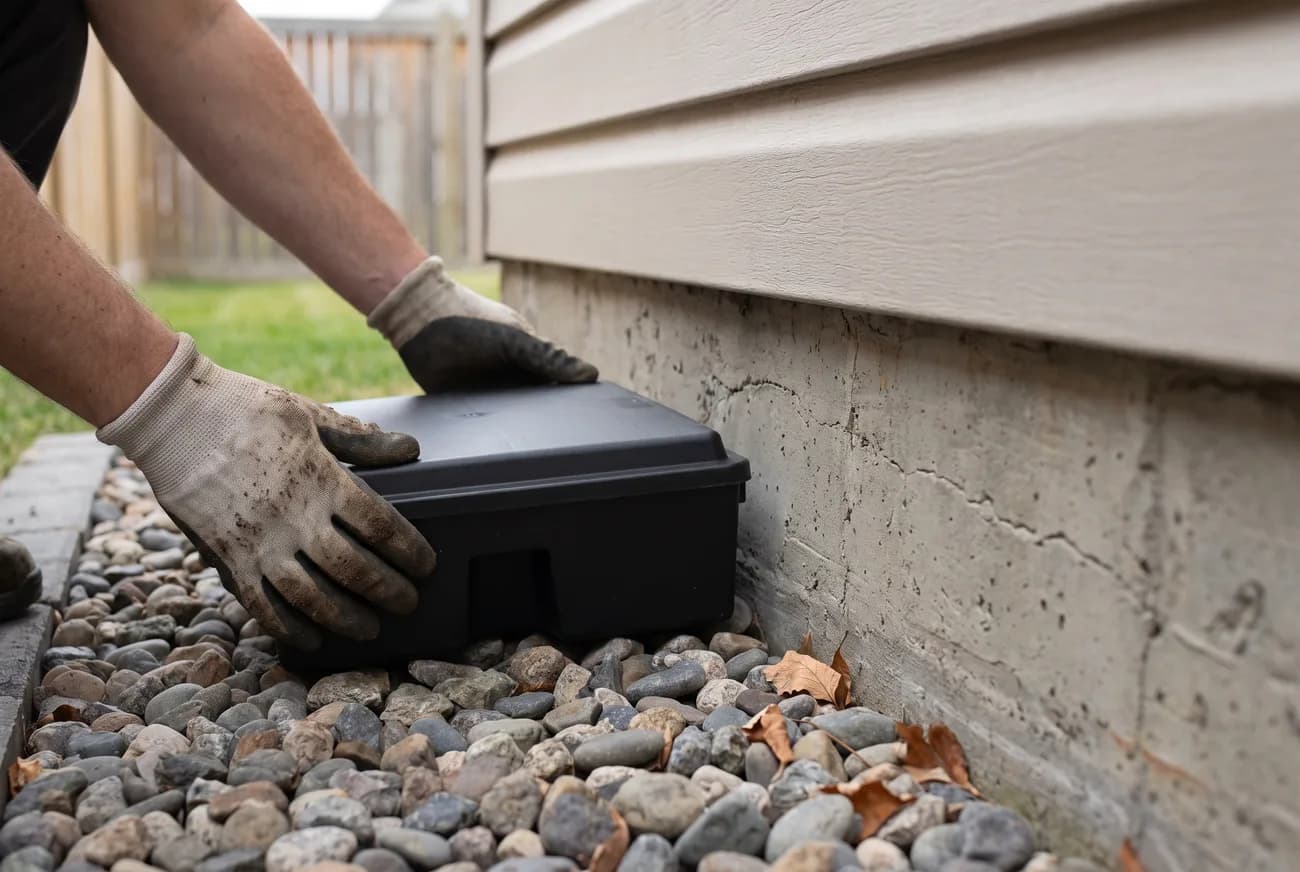
Targeted placement in the runways and harbourage areas, using tamper-resistant stations where pets or children have access.
- 03
Seal the building properly
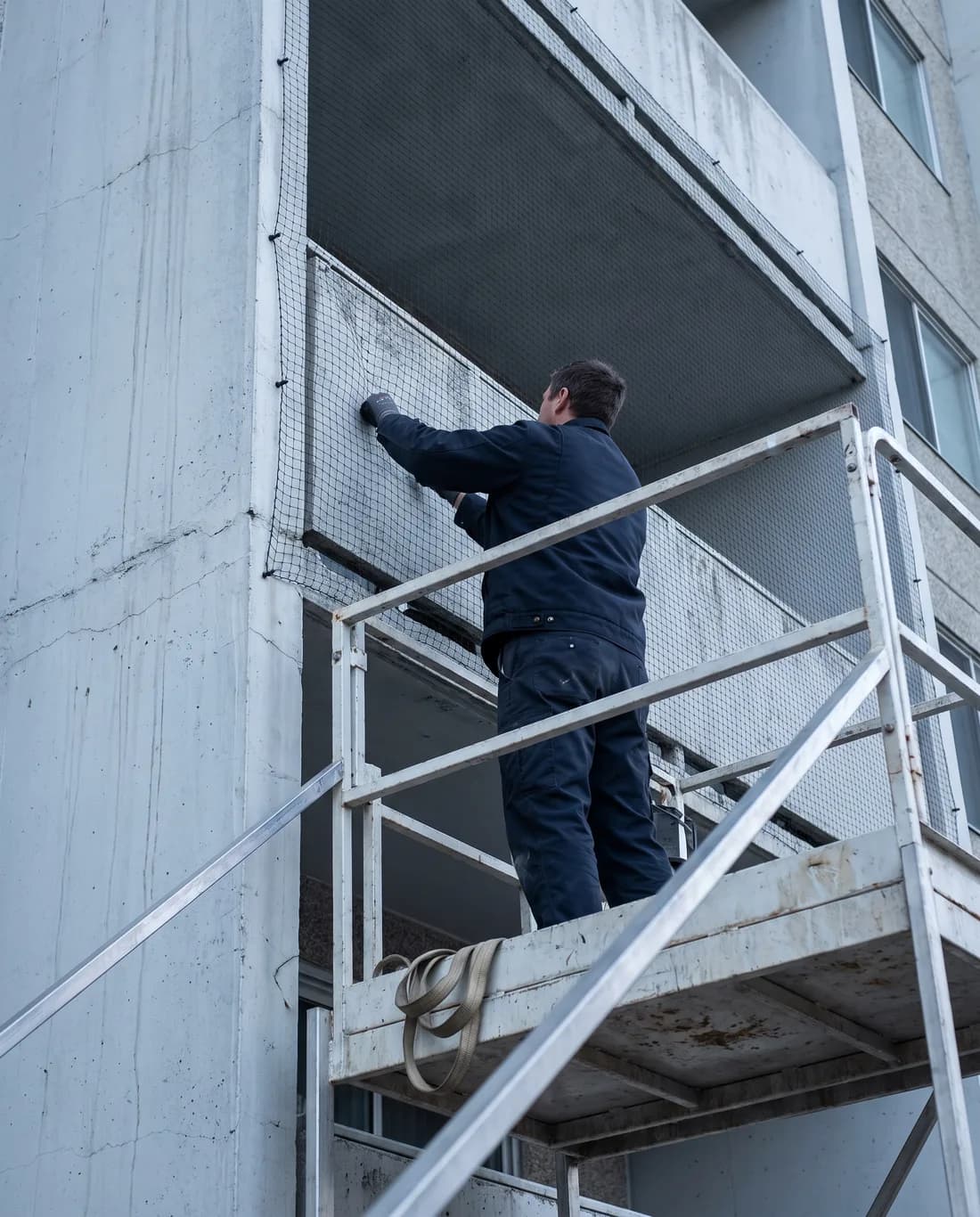
Gaps closed with materials rodents cannot chew through. Expanding foam on its own is not one of them.
- 04
Verify rather than assume
Return visits to confirm activity has actually stopped. Our results are guaranteed — if they come back, so do we.
When it is worth calling someone
If you have caught one mouse in a house that has never had them, set a couple more traps and check your garage seal. If you are still catching them after a fortnight, if you can hear activity in the walls or ceiling, if there are droppings in more than one room, or if this is a food business — that is a building problem rather than a mouse problem, and it needs the entry points found.